Gum disease, also known as periodontal disease, is an infection and inflammation of the tissues that support your teeth. Gum inflammation treatment gum inflammation treatment
Poor oral hygiene is the main cause. It allows plaque, a sticky film of bacteria, to accumulate on the teeth. This plaque can harden into tartar.
If not addressed, this condition can lead to serious complications, including tooth loss.
Stages of Gum Disease
There are four recognized stages of gum disease:
- Gingivitis: This is the earliest stage and is characterized by swollen, red gums that bleed during brushing or flossing. At this point, the condition is reversible with improved oral hygiene practices.
- Early Periodontitis: In this stage, the inflammation extends deeper into the supporting structures of the teeth. There is some bone loss around the teeth, but it is still manageable with professional treatment and diligent home care.
- Moderate Periodontitis: Here, there is more significant bone loss and deeper pockets around the teeth. Symptoms include persistent bad breath and loose teeth.
- Advanced Periodontitis: This final stage involves severe damage to the supporting structures of the teeth. This can lead to potential tooth mobility and loss. Treatment becomes more complex at this stage.
Symptoms of Gum Disease
Common symptoms include:
- Swollen or bleeding gums
- Persistent bad breath
- Loose teeth
- Receding gums (gums pulling away from teeth)
- Pain while chewing
Many individuals do not experience pain in the early stages, making regular dental check-ups essential for early detection.
Risk Factors for Gum Disease
Several factors can increase an individual’s risk for developing gum disease:
- Poor Oral Hygiene: Inadequate brushing and flossing allow plaque to build up.
- Smoking: This significantly increases susceptibility to gum disease and reduces treatment effectiveness.
- Hormonal Changes: Fluctuations during puberty, menstruation, pregnancy, or menopause can make gums more sensitive.
- Certain Medical Conditions: Diseases like diabetes or autoimmune disorders can affect gum health.
- Genetics: Some individuals are genetically predisposed to gum disease.
The bacteria responsible for gum disease can be transmitted through saliva. Thus, close contact with an infected person can increase risk.
Gum Disease Diagnosis and Treatment
A dentist typically diagnoses gum disease during routine examinations. They check for plaque buildup and measure pocket depths around each tooth using a periodontal probe. X-rays also be taken to assess bone loss.
Gum disease Treatment options vary based on severity
- Professional Cleaning: Regular dental cleanings help remove plaque and tartar buildup.
- Scaling and Root Planing: A deep cleaning procedure that removes tartar from below the gum line.
- Medications: Antibiotics or antimicrobial mouth rinses will be prescribed to control infection.
- Surgery: In advanced cases, surgical interventions like flap surgery or bone grafts are necessary.
Maintaining good oral hygiene practices at home—like daily brushing and flossing—is crucial for managing gum disease effectively.
In conclusion, gum disease can’t be completely cured once structural support around teeth has been lost. Nevertheless, it can be managed. This management is possible through appropriate treatments merged with diligent oral care practices. Periodontal cleaning
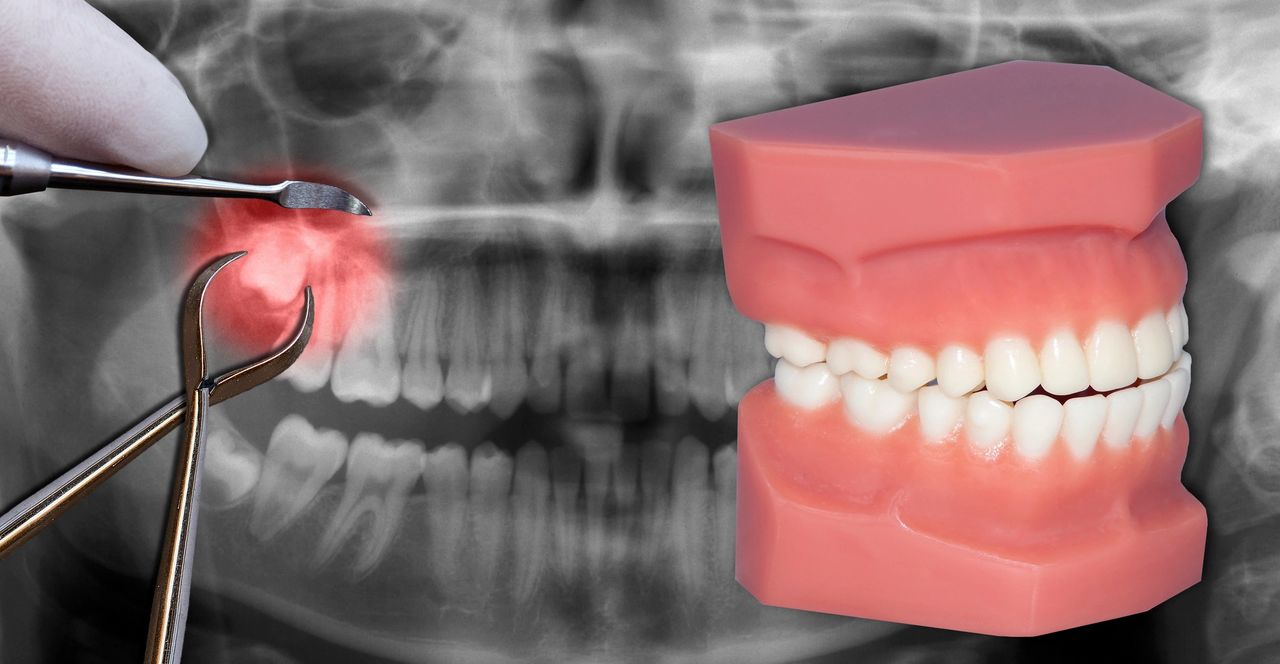
Gum Disease Natural Treatment
Find More Resources Below:
This Soft Candy Melt In Your Mouth To Rebuild Your Gums and Teeth
Drink This Potent Morning Tonic to Reverse ED
Discover the Best Dietary Supplements for Your Wellness Journey
 How to Earn Money From Home