Fall Prevention Exercise for Better Balance.
Fall prevention is a critical aspect of health, particularly for older adults, who are at increased risk of falls due to various factors including decreased muscle strength, impaired balance, and sensory deficits. Engaging in specific exercises can significantly enhance balance and stability, thereby reducing the likelihood of falls.
Understanding Balance
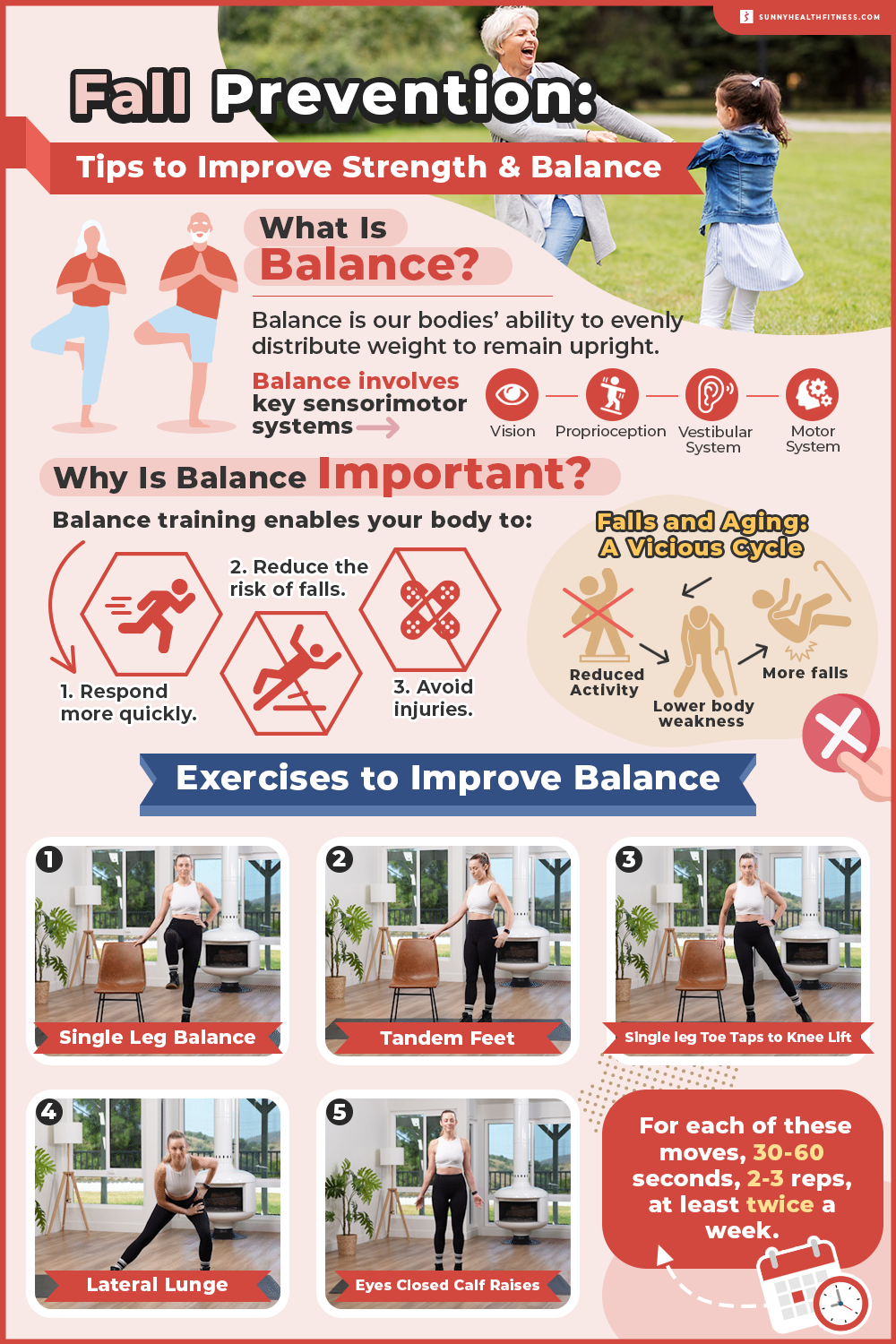
Balance is defined as the ability to maintain the body’s center of mass over its base of support. It involves multiple systems including the vestibular system (inner ear), proprioceptive system (sensing body position), and visual system. When one or more of these systems are compromised, an individual may experience difficulties with balance.
Importance of Exercise in Fall Prevention
Regular physical activity is essential for maintaining muscle strength, flexibility, and coordination—all crucial components for good balance. According to research published in The Journal of Aging Research, exercise programs that focus on strength training, flexibility exercises, and balance training have been shown to reduce fall rates among older adults significantly (Sherrington et al., 2016).
Types of Exercises for Better Balance
- Strength Training: Building muscle strength in the legs and core can improve stability. Exercises such as squats, lunges, and leg lifts are beneficial.
- Balance Exercises: Specific activities designed to enhance balance include:
- Single-leg stands: Standing on one leg while maintaining posture.
- Heel-to-toe walking: Walking in a straight line placing the heel of one foot directly in front of the toes of the other foot.
- Tai Chi: This ancient Chinese martial art emphasizes slow movements and weight shifting which enhances both balance and coordination.
- Flexibility Exercises: Stretching improves overall mobility which can help prevent falls by allowing for better movement control.
- Functional Training: Activities that mimic daily tasks—such as getting up from a chair or climbing stairs—can also be effective in improving functional balance.
Implementation Strategies
To effectively implement a fall prevention exercise program:
- Start Slowly: Individuals should begin with low-intensity exercises and gradually increase difficulty as their strength and confidence improve.
- Consistency is Key: Regular practice (at least three times a week) is necessary to see improvements.
- Supervision: For those at high risk or with existing health issues, it’s advisable to engage in supervised exercise sessions led by trained professionals.
Conclusion
Incorporating fall prevention exercises into daily routines can lead to significant improvements in balance and overall physical health. By focusing on strength training, specific balance exercises, flexibility work, and functional training, individuals can greatly reduce their risk of falling.
 How to Earn Money From Home