Causes of Yellow Teeth
1. Dietary Factors
Certain foods and beverages are notorious for staining teeth. For example, coffee, tea, red wine, and dark-colored fruits can contribute to discoloration due to their pigmentation. Acidic foods can also erode enamel, exposing the yellow dentin beneath (as discussed in The Encyclopedia of Oral Health).
2. Tobacco Use
Smoking or chewing tobacco is another significant contributor to yellow teeth. The tar and nicotine found in tobacco products can lead to deep stains that are difficult to remove (as noted in Oral Health: A Comprehensive Guide).
3. Poor Oral Hygiene
Inadequate brushing and flossing can lead to plaque buildup, which not only contributes to yellowing but also increases the risk of gum disease and cavities. Regular dental cleanings are crucial for maintaining tooth color (explained in Dental Hygiene: Theory and Practice).
4. Aging
As individuals age, the enamel on their teeth naturally wears down, revealing more of the underlying dentin which is yellower in color. This process is a normal part of aging but can be exacerbated by other factors such as diet and smoking (discussed in Geriatric Dentistry: A Review).
5. Medications
Certain medications can cause tooth discoloration as a side effect. For instance, tetracycline antibiotics taken during childhood can lead to permanent staining if given at an early age (mentioned in Pharmacology for Dental Hygienists).
Remedies for Yellow Teeth
1. Professional Whitening Treatments
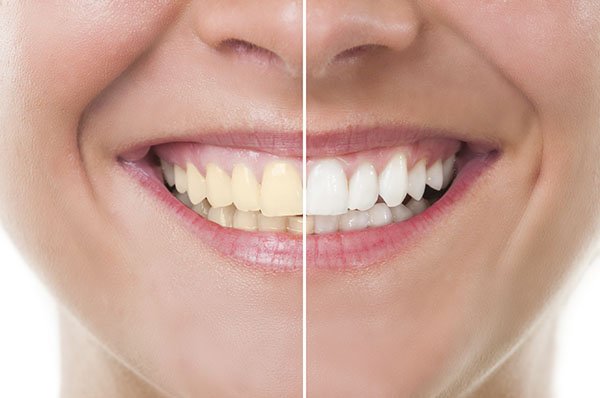
Dentists offer various whitening treatments that can effectively reduce yellowing. These include in-office bleaching procedures that use stronger agents than over-the-counter products (described in Cosmetic Dentistry: A Clinical Approach).
2. At-Home Whitening Kits
Over-the-counter whitening strips or gels contain lower concentrations of bleaching agents but can still provide noticeable results when used consistently over time (as outlined in The Complete Guide to Teeth Whitening).
3. Good Oral Hygiene Practices
Maintaining a rigorous oral hygiene routine is vital for preventing further discoloration. This includes brushing twice daily with fluoride toothpaste, flossing regularly, and using mouthwash (highlighted in Fundamentals of Periodontal Instrumentation).
4. Dietary Adjustments
Limiting consumption of staining foods and beverages while incorporating more water into one’s diet can help mitigate yellowing effects on teeth (as suggested in Nutrition and Oral Health).
5. Regular Dental Visits
Routine check-ups with a dentist allow for professional cleaning that removes surface stains and plaque buildup while providing personalized advice on maintaining tooth whiteness (noted in Clinical Dentistry: A Practical Approach).
By understanding the causes behind yellow teeth and implementing effective remedies, individuals can enhance their oral health while achieving a brighter smile.
Swallowing These Bacteria is Better Than Dental Implants.
It may sound odd but it is scientifically proven…
According to a Harvard scientist, swallowing these newly discovered bacteria is all you need to do to fix all your dental issues, from gum bleeding and teeth rotting to bad breath and cavities.
These amazingly efficient bacteria work by reconstructing your enamel (the outer layer of your teeth)…
Making them 20x stronger than a normal tooth…
Like a titanium shield against cavities, root infection and enamel erosion.
Some say their teeth are now stronger than a dental implant…
Click here to find out how easy it is to get these bacteria and start your teeth reconstruction today.
Avoid This Toothpaste
Dentists are SHOCKED.
They discovered that chewing THIS “sweet mineral”
can ERASE tooth decay… and banish bad breath overnight:
New Harvard studies show this mineral can even “rebuild” rotting teeth…
Making them 20X stronger than a dental implant…
While getting rid of gum bleeding & cavities:
>> chew THIS “sweet mineral” to ERASE cavities & bad breath.

Do This to Fix Yellow Teeth
Learn what to do to fix yellow teeth effectively with bacteria that can enhance your dental health and repair enamel.
Find More Similar Topics Below:
 How to Earn Money From Home