Diabetes Bad Breath. Diabetes May Cause Bad Breath or Halitosis
Although bad breath is a common health concern, individuals with diabetes are especially prone to symptoms of unpleasant oral odor.
Bad breath, also known as halitosis, and other oral-health issues like gum disease are increasingly prevalent among those with diabetes.
Diabetes is an endocrine disorder that inhibits the body’s ability to use blood sugar.
Bad breath is one of the many health complications that diabetics experience.
Diabetes-related bad breath is generally caused by periodontal disease and high levels of ketones in the blood.
Recent research estimates that one in three individuals with diabetes will also experience gum disease, also called periodontal disease.
This is because diabetes can impair blood flow throughout your body, including to your gums.
Without an adequate supply of blood, the mouth and gums are more prone to infection and quickly develop an unpleasant odor.
Periodontal diseases also lead to inflammation, which can hinder metabolism and increase blood sugar, worsening the effects of diabetes.
In addition, high ketone levels in the blood can also occur with diabetes and can lead to bad breath.
Without insulin, the body cannot receive the necessary glucose to power its metabolic activity.
To compensate for this lack of fuel, the body begins to burn fat instead, which produces ketones as a byproduct in blood and urine.
High ketone levels can create a nail-polish-like odor on your breath.
If ketones rise to critical levels, the body can enter diabetic ketoacidosis, which involves sweet, fruity-smelling breath and dangerously elevated blood-glucose levels.
To combat bad breath that is caused by diabetes, first make sure that your diabetes is controlled under medical supervision.
Uncontrolled diabetes can have severe side effects like ketoacidosis, which may be life-threatening. Once your condition is under control, the effects of bad breath are often less severe.
Play this Short Video to Learn More
How to Prevent Gum Disease
Gum disease, also known as periodontal disease, is a common condition that affects the tissues surrounding the teeth. It can lead to serious dental issues if not addressed promptly. Prevention is key in maintaining oral health and avoiding gum disease. Here are several comprehensive strategies for preventing gum disease:
1. Maintain Proper Oral Hygiene
The foundation of preventing gum disease lies in good oral hygiene practices. This includes:
-
Brushing Teeth: Brush your teeth at least twice a day using fluoride toothpaste. It is essential to use a soft-bristled toothbrush and to brush for at least two minutes each time, ensuring that all surfaces of the teeth are cleaned thoroughly.
-
Flossing: Daily flossing helps remove plaque and food particles from between the teeth and below the gum line where a toothbrush may not reach effectively. Flossing should be done gently to avoid damaging the gums.
- Mouthwash: Using an antimicrobial mouthwash can help reduce plaque buildup and kill bacteria that contribute to gum disease.
These practices help minimize plaque accumulation, which is a primary cause of gum disease (Encyclopedia of Oral Health).
2. Regular Dental Check-ups
Routine dental visits are crucial for early detection and prevention of gum disease. Dentists can perform professional cleanings that remove tartar (hardened plaque) that regular brushing cannot eliminate. During these visits, dentists also check for signs of gum disease and provide personalized advice on oral care (Dental Hygiene: A Comprehensive Approach).
3. Healthy Diet
A balanced diet plays a significant role in oral health. Consuming foods rich in vitamins and minerals, particularly Vitamin C and calcium, supports healthy gums. Foods such as fruits, vegetables, whole grains, lean proteins, and dairy products contribute positively to oral health.
Conversely, limiting sugary snacks and beverages can reduce the risk of plaque formation since sugar feeds harmful bacteria in the mouth (Nutrition and Oral Health).
4. Avoid Tobacco Products
Tobacco use is one of the most significant risk factors for developing gum disease. Smoking or using other tobacco products impairs blood flow to the gums, making it harder for them to heal after injury or infection. Quitting tobacco can significantly improve overall oral health (Oral Health in America).
5. Manage Medical Conditions
Certain medical conditions such as diabetes can increase the risk of developing gum disease due to their effects on blood sugar levels and immune response. Managing these conditions through proper medical care can help mitigate risks associated with periodontal diseases (Journal of Periodontology).
6. Stay Hydrated
Drinking plenty of water throughout the day helps maintain saliva production, which is essential for neutralizing acids produced by bacteria in the mouth and washing away food particles (Saliva: Its Role in Oral Health).
Conclusion
Preventing gum disease requires a multifaceted approach involving diligent personal care routines, regular professional dental care, dietary considerations, lifestyle changes such as quitting smoking, managing existing health conditions effectively, and maintaining hydration levels.
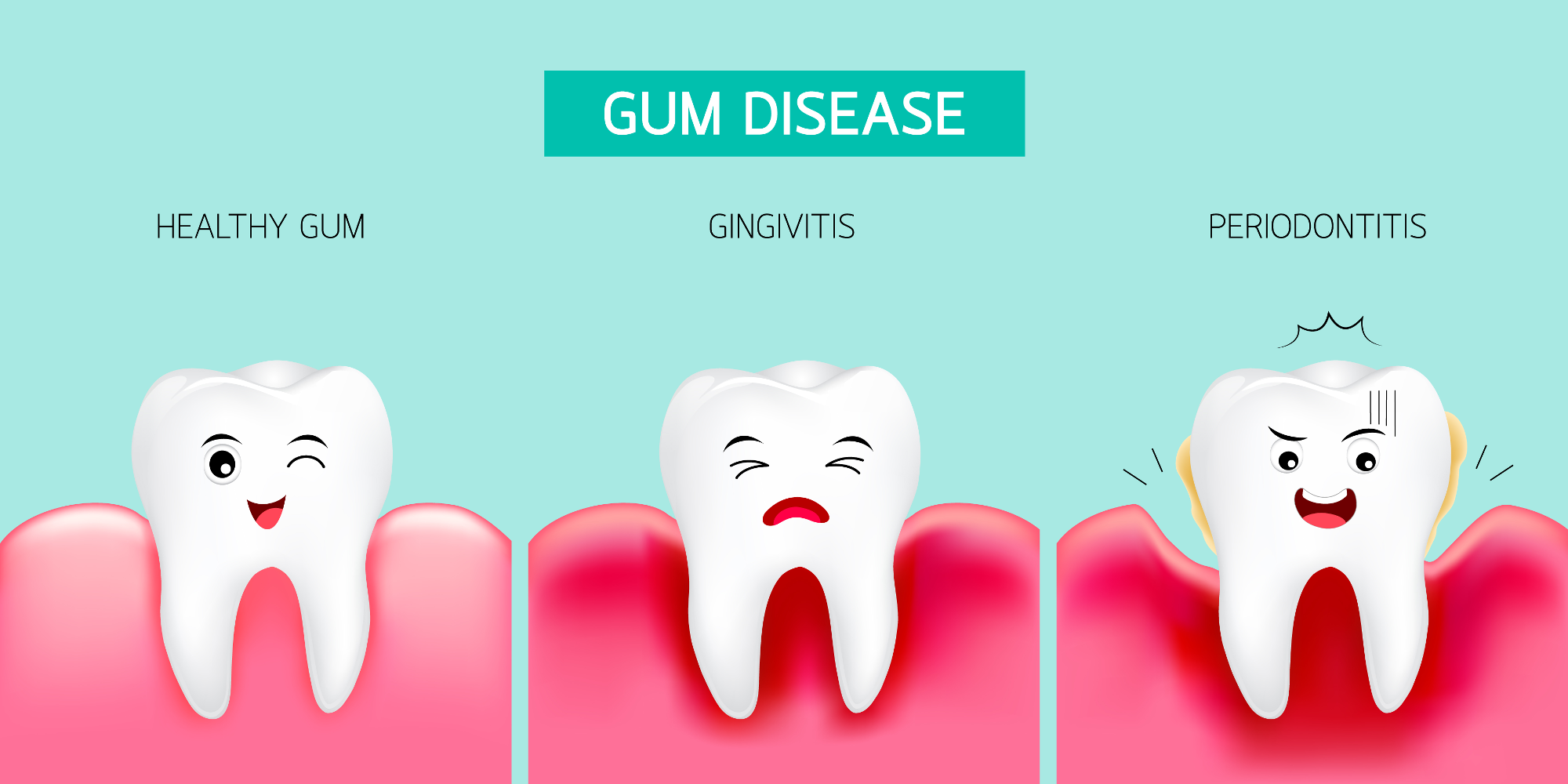
To prevent gum disease and other oral-health concerns, maintain a good oral-hygiene routine of brushing your teeth, gums, and tongue after every meal or snack, flossing daily, and seeing your dentist at least twice a year for routine cleanings and exams.
Diabetes Bad Breath
Learn how diabetes can lead to bad breath and other oral health issues like gum disease and halitosis.
Find More Similar Topics Below:
https://dentalhealthnaturalsolutions.com/diabetes-may-cause-bad-breath-or-halitosis/
https://dentalhealthnaturalsolutions.com/natural-ingredients-support-healthy-blood-sugar-levels/
https://dentalhealthnaturalsolutions.com/1-simple-way-to-maintain-your-perfect-smile/
https://dentalhealthnaturalsolutions.com/gum-disease-cause-bad-breath/
https://dentalhealthnaturalsolutions.com/harvard-enzyme-hack-reverses-type-2-diabetes-in-weeks/
https://dentalhealthnaturalsolutions.com/this-enzyme-bust-diabetes/
 How to Earn Money From Home