Most Common Causes of Gum Recession
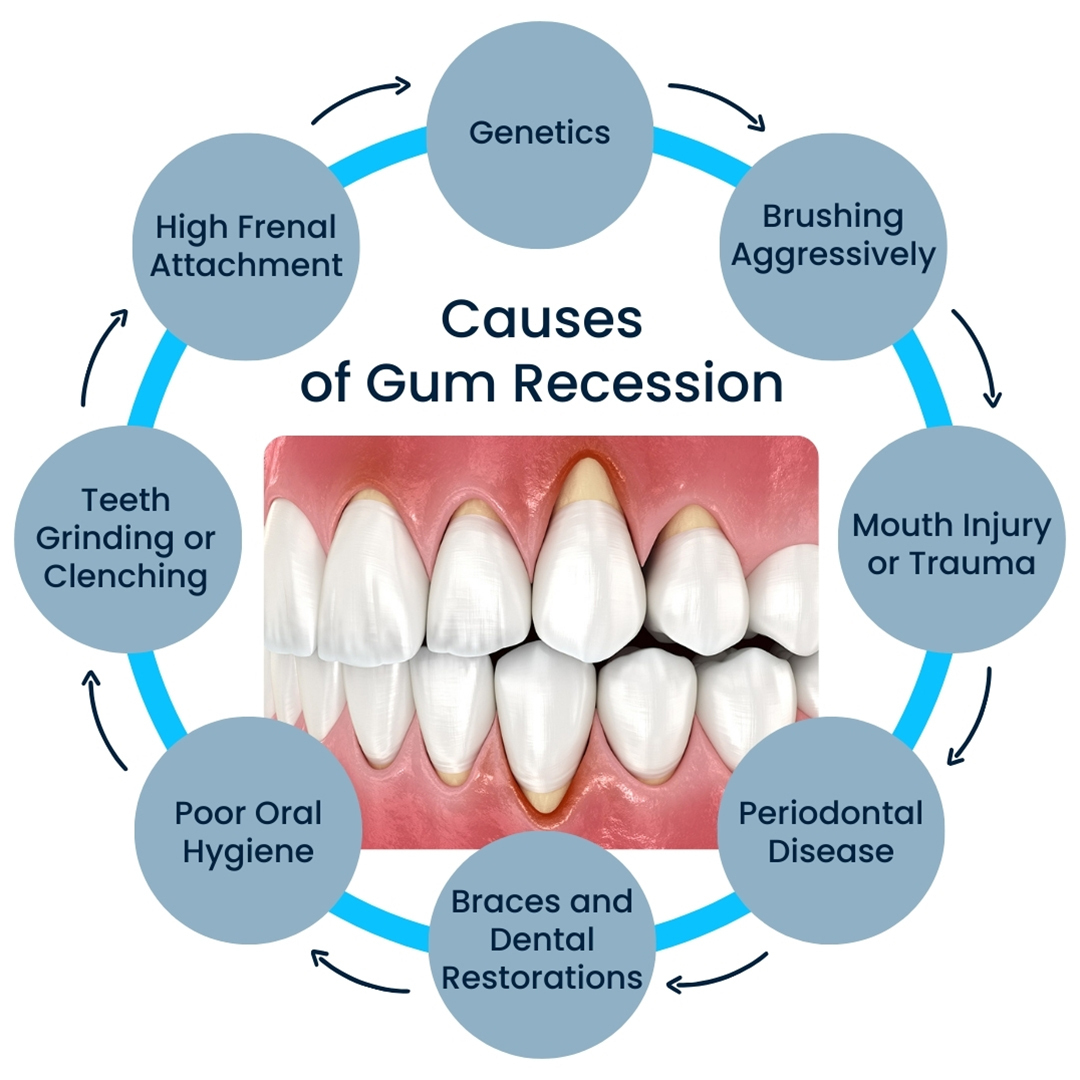
Gum recession, also known as gingival recession, is a dental condition characterized by the gradual loss of gum tissue surrounding the teeth. This phenomenon can lead to various oral health issues, including increased tooth sensitivity, aesthetic concerns, and a higher risk of periodontal disease. Understanding the causes of gum recession is crucial for prevention and treatment.
1. Periodontal Disease
One of the primary causes of gum recession is periodontal disease, which encompasses a range of inflammatory conditions affecting the supporting structures of the teeth. Bacterial plaque accumulation leads to gingivitis, which can progress to periodontitis if left untreated. In periodontitis, inflammation and infection cause the gums to pull away from the teeth, resulting in tissue loss and bone deterioration (Encyclopedia of Dentistry).
2. Aggressive Brushing Techniques
Another significant factor contributing to gum recession is improper oral hygiene practices, particularly aggressive brushing techniques. Using a hard-bristled toothbrush or applying excessive force while brushing can wear down the enamel and irritate the gums. Over time, this can lead to receding gums as the delicate gum tissue becomes damaged (Dental Hygiene: Theory and Practice).
3. Genetic Predisposition
Genetics also play a critical role in an individual’s susceptibility to gum recession. Some people may inherit a predisposition for thinner gum tissue or weaker connective tissues that support the gums. This genetic vulnerability can make them more prone to developing gum recession compared to individuals with thicker, healthier gums (Periodontology 2000).
4. Hormonal Changes
Hormonal fluctuations, particularly those occurring during puberty, menstruation, pregnancy, or menopause, can affect gum health significantly. These changes can increase blood flow to the gums and make them more sensitive and susceptible to inflammation and infection. As a result, hormonal changes may contribute to an increased risk of gum recession during these life stages (Women’s Health in Clinical Practice).
5. Tobacco Use
Tobacco use is another well-documented risk factor for gum recession. Smoking or using other tobacco products impairs blood flow to the gums and reduces their ability to heal after injury or inflammation. Additionally, tobacco users are more likely to develop periodontal disease due to compromised immune responses (Tobacco Control: Strategies for Prevention).
6. Misaligned Teeth or Bite Issues
Malocclusion or misalignment of teeth can create uneven pressure on certain areas of the gums during chewing or biting activities. This uneven pressure may lead to localized areas where the gums recede over time due to mechanical stress on the supporting tissues (Orthodontics: Current Principles and Techniques).
7. Oral Piercings
Oral piercings—such as those involving lip or tongue rings—can also contribute to gum recession through constant irritation against adjacent gums or teeth. The friction caused by these piercings may lead to localized inflammation and subsequent tissue loss around affected areas (Clinical Oral Investigations).
Conclusion
In summary, gum recession is influenced by multiple factors ranging from periodontal disease and aggressive brushing techniques to genetic predispositions and lifestyle choices such as tobacco use. Understanding these causes is essential for effective prevention strategies and treatment options.
Most Common Causes of Gum Recession
Learn about the primary causes of gum recession, including plaque buildup and the importance of proper oral care.
Find More Similar Topics Below:
 How to Earn Money From Home