Most Common Causes of Gum Disease
Gum disease, also known as periodontal disease, is a common condition that affects the tissues surrounding the teeth. It can range from simple gum inflammation (gingivitis) to more severe forms that can lead to tooth loss and other health complications. Understanding the causes of gum disease is crucial for prevention and treatment.
1. Bacterial Plaque Accumulation
The primary cause of gum disease is the accumulation of bacterial plaque on the teeth. Plaque is a sticky film composed of bacteria, food particles, and saliva that forms on teeth. If not removed through regular brushing and flossing, plaque hardens into tartar (calculus), which can only be removed by a dental professional. The bacteria in plaque produce toxins that irritate the gums, leading to inflammation and infection (Encyclopedia of Dentistry).
2. Poor Oral Hygiene
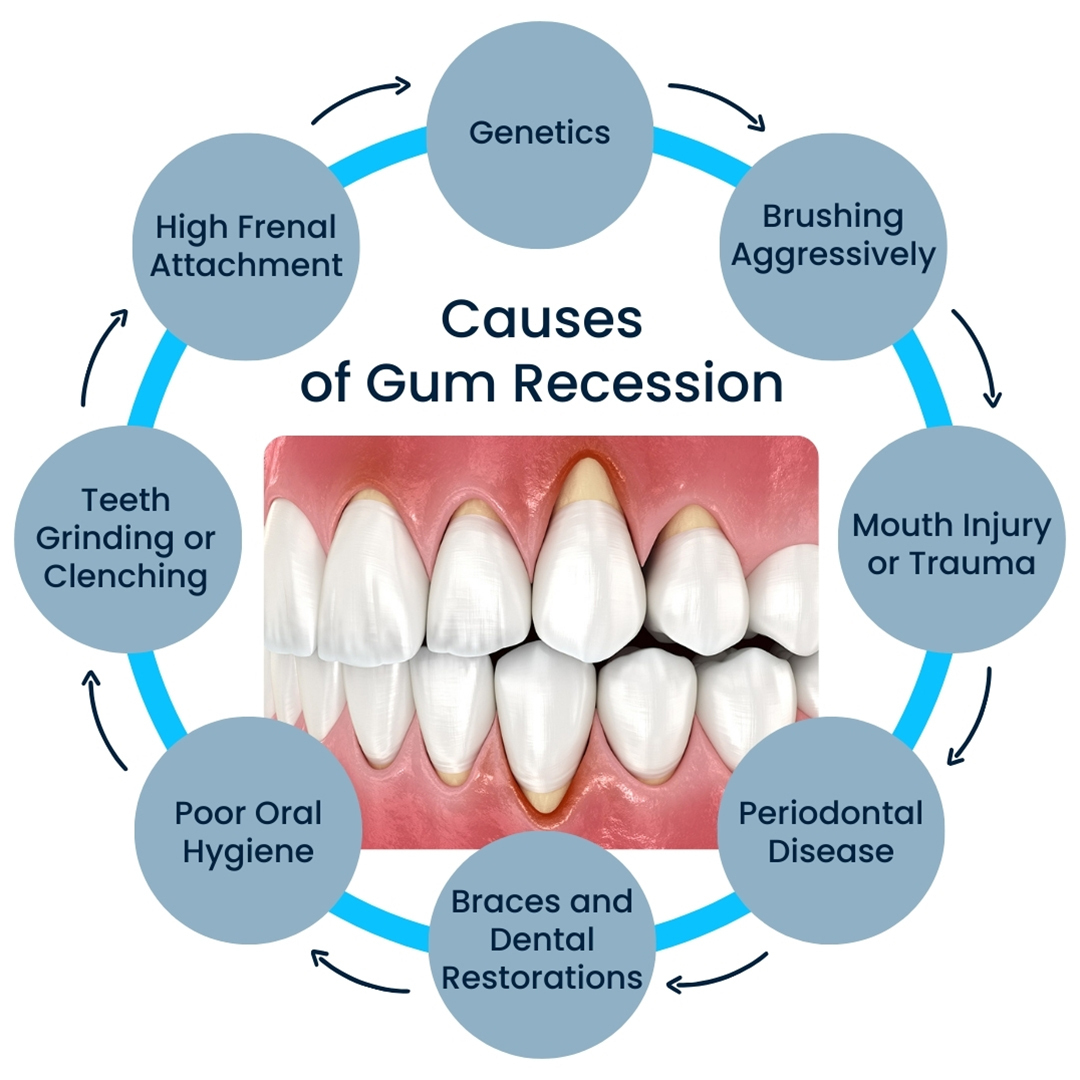
Inadequate oral hygiene practices contribute significantly to the development of gum disease. Failing to brush at least twice daily and neglecting flossing allows plaque to build up along the gum line. Over time, this neglect can lead to gingivitis, characterized by red, swollen gums that may bleed during brushing (Dental Health: A Comprehensive Guide).
3. Tobacco Use
Tobacco products are a major risk factor for gum disease. Smoking or chewing tobacco impairs blood flow to the gums, reducing their ability to heal and increasing susceptibility to infections. Additionally, tobacco users often have poorer oral hygiene habits compared to non-users, further exacerbating their risk (Periodontal Disease: A Guide for Patients).
4. Hormonal Changes
Hormonal fluctuations can affect gum health significantly. Conditions such as puberty, menstruation, pregnancy, and menopause can make gums more sensitive and susceptible to inflammation. For instance, during pregnancy, increased levels of hormones like progesterone can enhance blood flow to the gums and increase their sensitivity (Women’s Health: A Comprehensive Guide).
5. Medical Conditions
Certain medical conditions can predispose individuals to gum disease. Diseases such as diabetes impair blood sugar control and reduce resistance to infections, including those affecting the gums. Other conditions like autoimmune diseases (e.g., lupus or rheumatoid arthritis) may also compromise oral health by altering immune responses (Journal of Periodontology).
6. Medications
Some medications can affect oral health by reducing saliva flow or causing dry mouth (xerostomia). Saliva plays a crucial role in neutralizing acids produced by bacteria in the mouth; thus, reduced saliva increases the risk of plaque buildup and subsequent gum disease (Oral Health: A Clinical Approach).
7. Nutritional Deficiencies
A diet lacking essential nutrients—particularly vitamin C—can impair gum health and contribute to periodontal issues. Vitamin C is vital for collagen synthesis in connective tissues; its deficiency may lead to weakened gums that are more prone to infection (Nutrition and Oral Health).
8. Genetic Factors
Genetics also play a role in an individual’s susceptibility to gum disease. Some people may inherit traits that make them more prone to developing periodontal issues regardless of their oral hygiene practices (Genetics in Dentistry).
In summary, multiple factors contribute to the onset of gum disease ranging from poor oral hygiene practices and lifestyle choices such as tobacco use to hormonal changes and genetic predispositions.
Most Common Causes of Gum Disease
Discover the causes of gum disease and how plaque accumulation can lead to serious dental issues and health complications.
 How to Earn Money From Home